-
IRS Tax Debt Help Tool: Options to Resolve a Tax Balance
•
The IRS launched a free, anonymous Tax Debt Help tool that points taxpayers to payment plans, collection delays, and Offers in Compromise. Here is how small business owners can use it, and what to do next.
-

Quarterly Estimated Taxes: How to Know What Is “Enough”
•
Think paying your full tax bill by April 15 keeps you penalty-free? Not always. The IRS wants enough tax paid throughout the year at each deadline. Here’s how estimated tax safe harbors, payment timing, and a handy withholding trick can help you avoid surprises.
-

Filing is a Deadline—Tax Planning is a Strategy
•
If you’re only filing taxes and not planning them, you’re likely leaving money on the table. A tax plan isn’t a set of forms—it’s a proactive roadmap to reducing your tax liability, keeping more of your hard-earned income, and aligning financial decisions with long-term goals.
-

The Health Insurance Deduction for Self-Employed
•
This deduction allows you to reduce your federal taxable income by the cost of certain insurance premiums — even if the policy isn’t in the business’s name.
-

How to Avoid Surprise Tax Bills with the Premium Tax Credit
•
The premium tax credit (PTC) is designed to make health insurance affordable, but if your income is higher than expected or your life changes, you may have to repay part or all of that credit with you file your tax return.
-

Smart Strategies to Avoid IRS Penalties on Estimated Taxes
•
Avoiding CP30 Notices: A Guide to Estimated Tax Planning
-

Taxes Filed Late or Didn’t Pay? Expect IRS Penalties and Interest
•
If you haven’t filed yet and expect to owe, submit an extension ASAP to dodge the hefty late filing penalty.
-
You Always Owe? Fix that this Year…
•
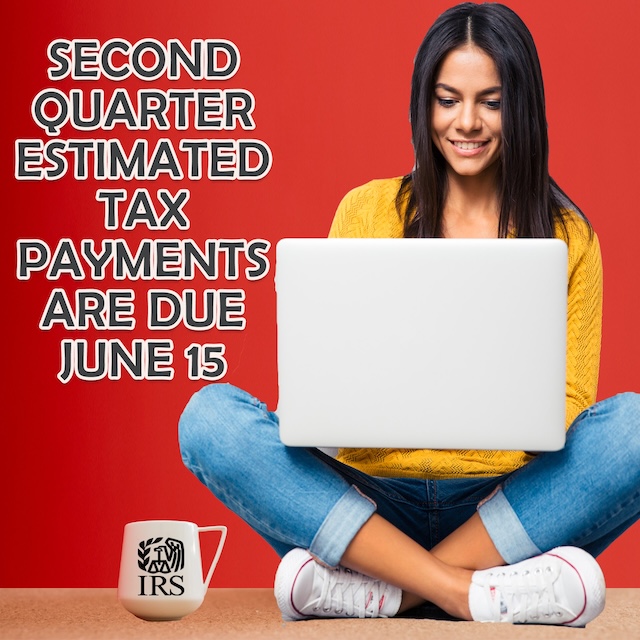
Taxes can be a headache, but the IRS actually does give you a few tools to avoid overpaying—or worse, getting hit with a surprise bill. Remember your estimates aren’t set in stone. If your income or deductions shift mid-year, your payments can too. Check in periodically to make sure you’re not leaving savings on the table—or opening…